
Autograph Tree Care: Growing a Healthy Indoor Pot Plant
The autograph tree, also known as Clusia, is a striking addition to any indoor or outdoor garden, and these tips will help you grow a healthy, thriving plant. This guide covers everything from ideal light conditions to proper watering techniques, ensuring your autograph tree stays vibrant.
Learn about the unique care requirements of this tropical beauty, including pruning tips to maintain its bold structure. The autograph tree’s leathery leaves and glossy appearance make it a favorite for decorative purposes.
These tips also explore soil types, fertilization schedules, and pest prevention strategies to keep your plant in peak condition. Whether you’re growing it as a statement piece indoors or in your garden, the autograph tree adds character and charm.
Follow these care tips to nurture a plant that stands out in any space.
What is an Autograph Tree?
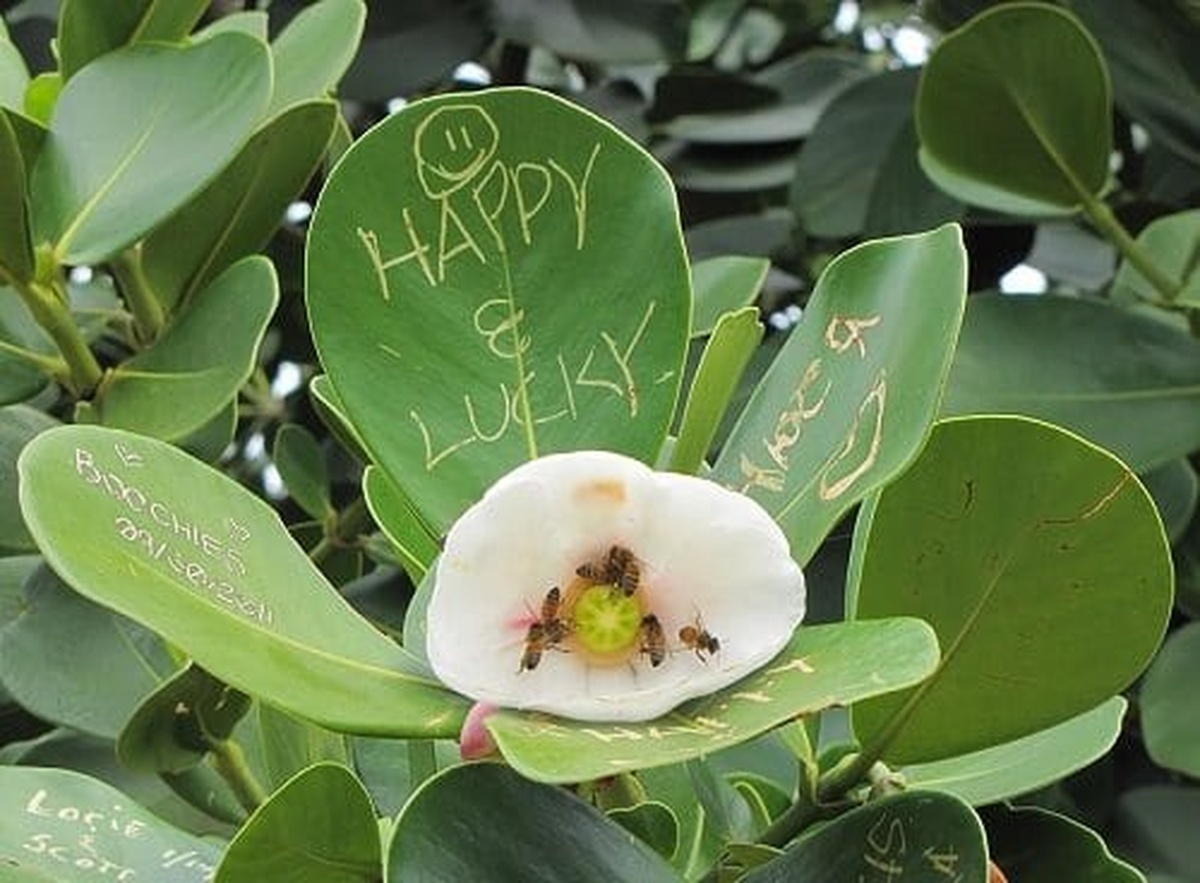
The Autograph Tree, native to tropical America, is a striking plant known for its unique characteristic of growing on other plants. This plant can reach impressive heights of 20 to 25 feet and features thick, leathery leaves in dark green or olive hues.
During the summer, it blooms with pink or white flowers arranged in long clusters, adding a beautiful touch to its appearance. As it matures, the tree produces small green fruits that turn black upon ripening.
These fruits then split open to reveal bright red seeds, which are a favorite food source for birds.
How to Grow an Autograph Tree
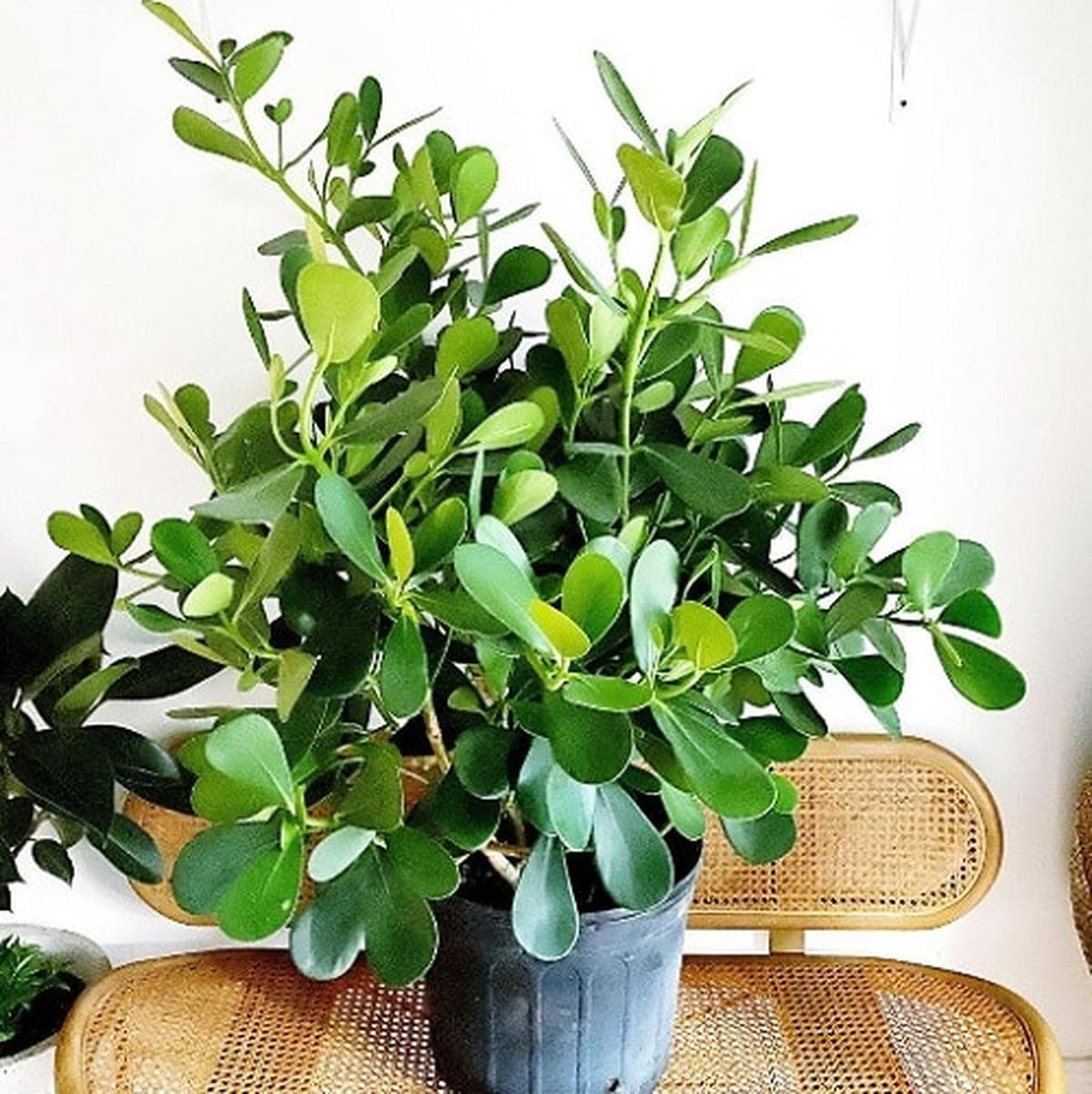
Growing an Autograph Tree is quite simple.
If you already have access to one, you can easily propagate it by detaching a stem and replanting it in warm, moist soil, allowing it to establish roots.
Alternatively, you can purchase a mature plant from a local nursery or find one online.
With the right care and conditions, your new Autograph Tree will thrive.
Choosing the Right Container Size
When you bring your Autograph Tree home from the garden center, it’s important to transfer it into a pot that’s one size larger.
Providing ample space for the roots to spread will help the plant grow taller and healthier.
If the plant becomes root-bound, its growth will slow down, requiring a repotting into a container that’s just one size bigger than the rootball.
Note: Avoid choosing a container that is too large, as excess moisture retention in the soil can lead to root rot.
Growing Requirements for the Autograph Tree
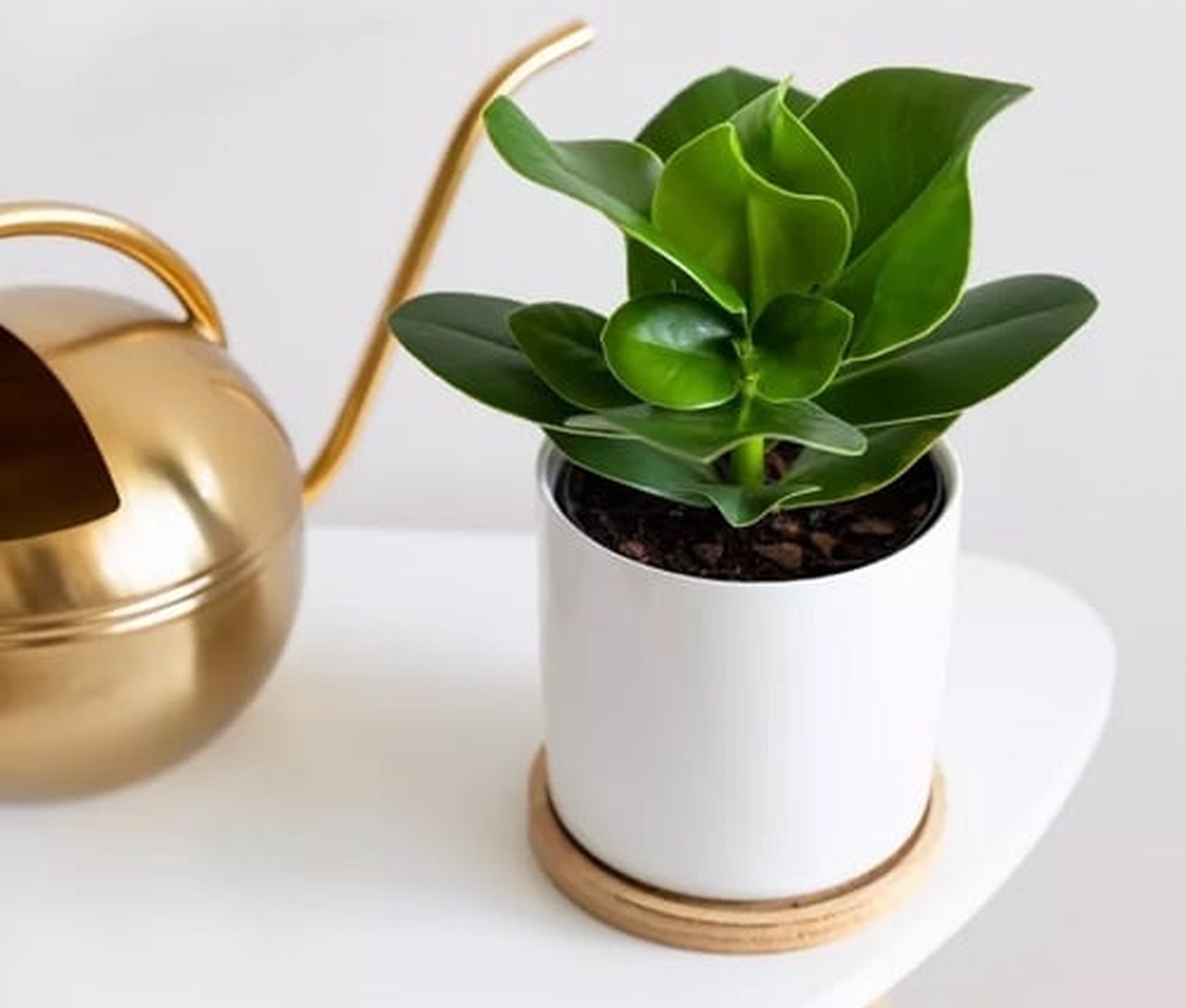
The Autograph Tree is an easy-care plant that thrives with minimal effort. Understanding its growing requirements will help you provide the best environment for its healthy growth, from selecting the right location to ensuring the right soil, water, and temperature.
Location
The Autograph Tree thrives in bright, indirect light.
It’s best placed near a window or door that allows for a patch of direct sunlight.
A well-lit spot ensures healthy growth for the plant.
Soil
For optimal growth, choose a well-draining, loose soil.
A potting mix designed for plants like the fiddle leaf fig or rubber plant will work well for your Autograph Tree too.
Water
While this plant prefers moist soil in outdoor settings, avoid keeping the soil too saturated indoors.
Water your Autograph Tree thoroughly when the soil feels dry to the touch, and allow the growing medium to dry out between waterings.
Temperature
The Autograph Tree flourishes in warm tropical conditions, with temperatures ranging from 60 to 85°F (15 to 30°C); perfect for most indoor environments.
Protect it from cold drafts in winter, as it does not tolerate temperatures below 50°F (10°C).
Humidity
Like the rubber tree, the Autograph Tree enjoys higher humidity levels.
If your home’s air is dry due to heating or air conditioning, using a room humidifier can help maintain the plant's preferred humidity levels.
Autograph Tree Care Tips
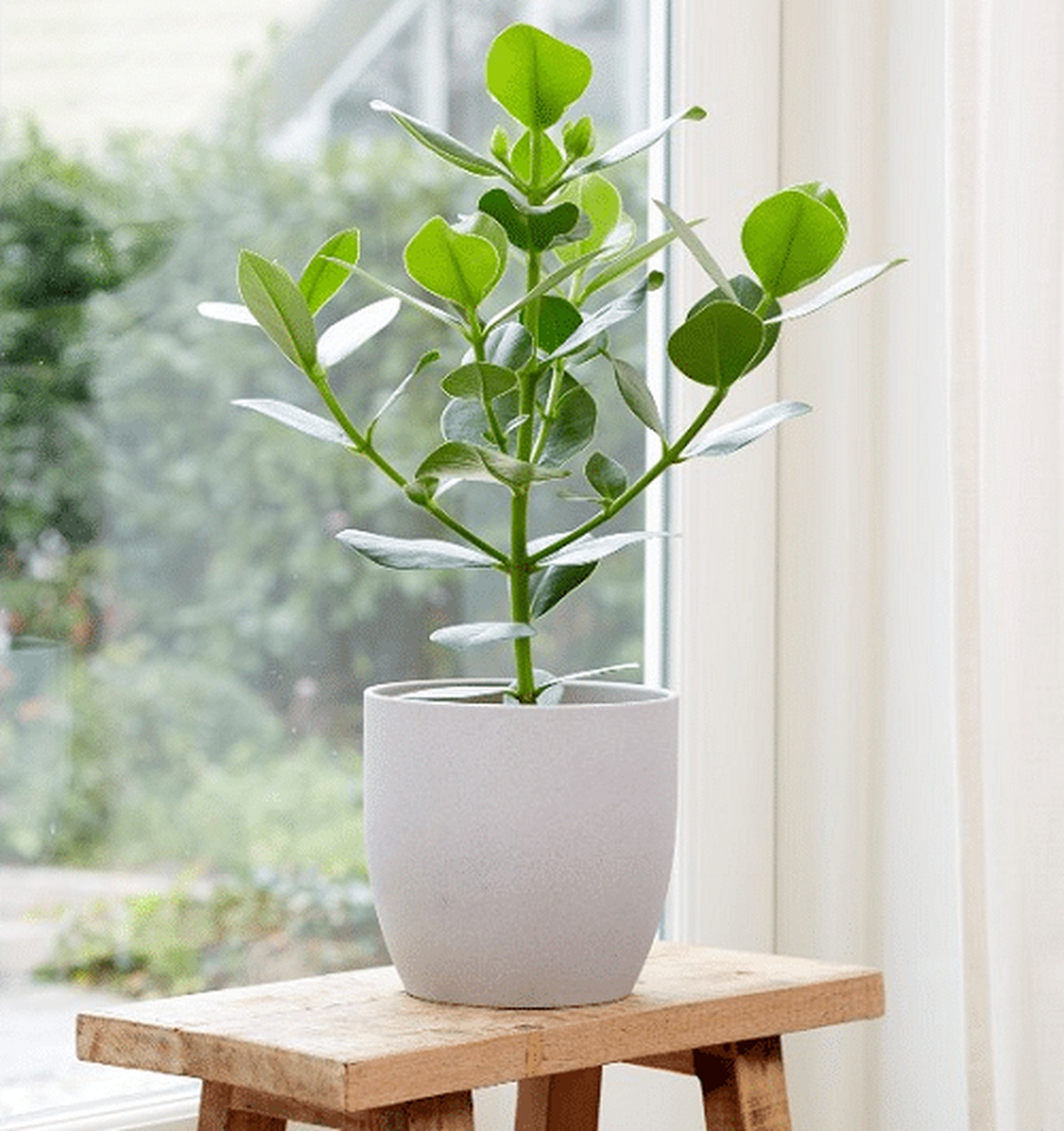
To keep your Autograph Tree thriving, you need to consider a few essential care practices. From feeding and repotting to handling its growth and potential toxicity, these tips will help you ensure the plant stays healthy and vibrant year-round.
Fertilizer
During the growing season, feed your Autograph Tree with a half-strength all-purpose liquid fertilizer once a month.
Avoid fertilizing during the winter months, particularly in colder climates.
For a more natural approach, you can substitute chemical fertilizers with compost, as the plant thrives on organic matter.
Repotting
The Autograph Tree is a fast grower, and you may need to repot it every year or two if it outgrows its pot.
Do this during warm weather, and choose a pot that is one size larger.
If you prefer not to repot, you can trim some of the outer, threadlike roots while ensuring that you do not damage the main roots, which are crucial for its growth.
Toxicity
The Autograph Tree is considered mildly toxic by the FDA. Its fruits are toxic and can cause symptoms like diarrhea and stomach upset if ingested. To keep the plant safe, remove the fruits once they appear.