
22 Brilliant DIY Vertical Vegetable Garden Ideas for Small Spaces
A DIY vertical vegetable garden transforms small spaces into lush, productive green havens.
This creative approach to gardening uses height instead of ground space, making it perfect for urban homes or limited yards.
Vibrant leaves and fresh vegetables climb upward, creating a lively display that’s both beautiful and practical.
These gardens often blend natural elements with clever design, turning walls or fences into thriving plant beds.
Growing your own food in this way brings freshness right to your doorstep while adding a touch of nature indoors or outdoors.
The charm lies in how simple materials can create something surprisingly abundant and healthy.
Gardening enthusiasts find joy in watching their vertical plots flourish with life and flavor throughout the seasons.
Strawberry Bed
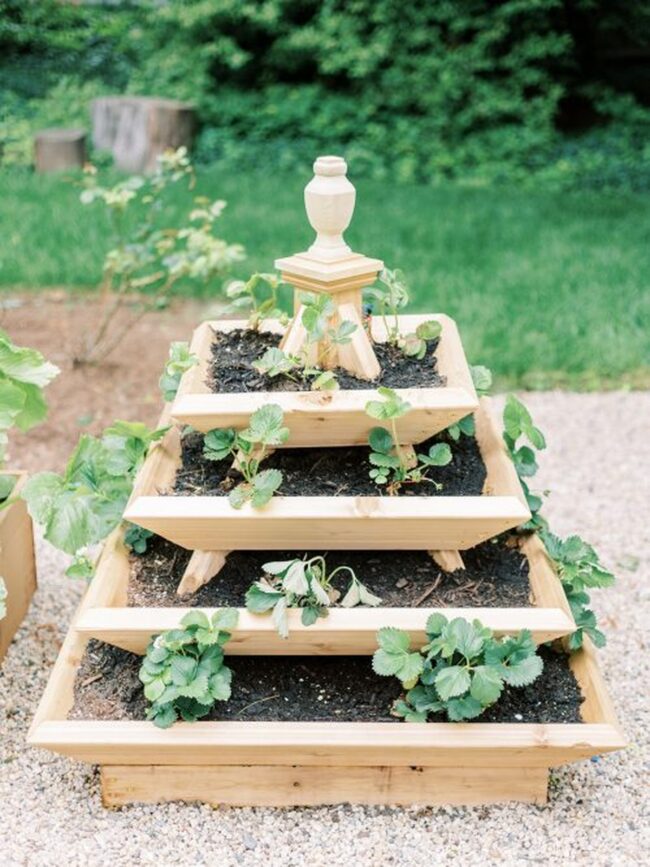
Strawberry beds revolutionize small garden spaces with intelligent vertical growing techniques.
Wooden structures provide excellent support for strawberry plants to climb and spread efficiently.
Strategic design allows multiple plants to thrive in compact zones without overcrowding ground soil.
Lightweight wooden frames enable easy installation on patios, balconies, or narrow garden sections.
Careful positioning helps strawberry plants receive optimal sunlight and air circulation throughout their growing cycle.
Vertical gardening methods reduce pest risks and make harvesting significantly easier for home cultivators.
Homeowners can transform small outdoor spaces into productive fruit-producing zones with minimal investment and basic carpentry skills.
Trellised Veggie Vertical Haven
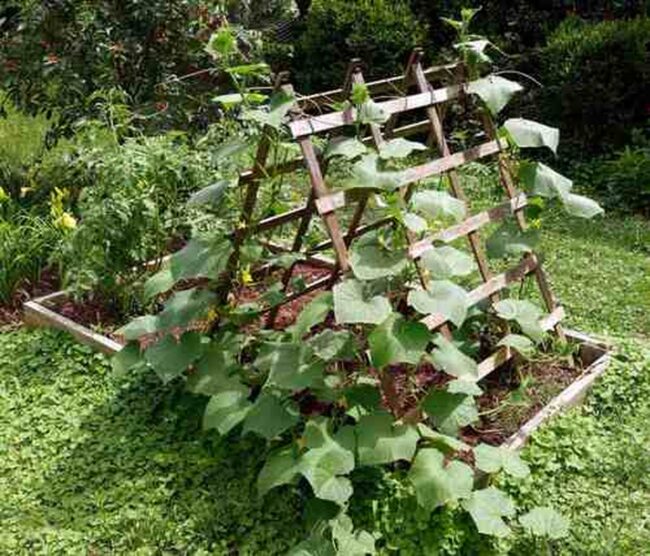
Garden trellises revolutionize vegetable growing by maximizing limited space and supporting climbing plants.
Old wooden or metal trellises provide perfect vertical support for vegetables like beans, peas, cucumbers, and squash.
Hanging pots from trellis edges creates additional growing areas for smaller plants and herbs.
Climbing vegetables grow upward efficiently, reducing ground space requirements and improving plant health through better air circulation.
Vertical gardening techniques help urban and small-space gardeners produce more food with minimal land usage.
Repurposing existing trellises saves money and adds visual interest to garden landscapes.
Smart vegetable trellising methods encourage healthier plant growth and easier harvesting.
Shoe Organizer Veggie Haven
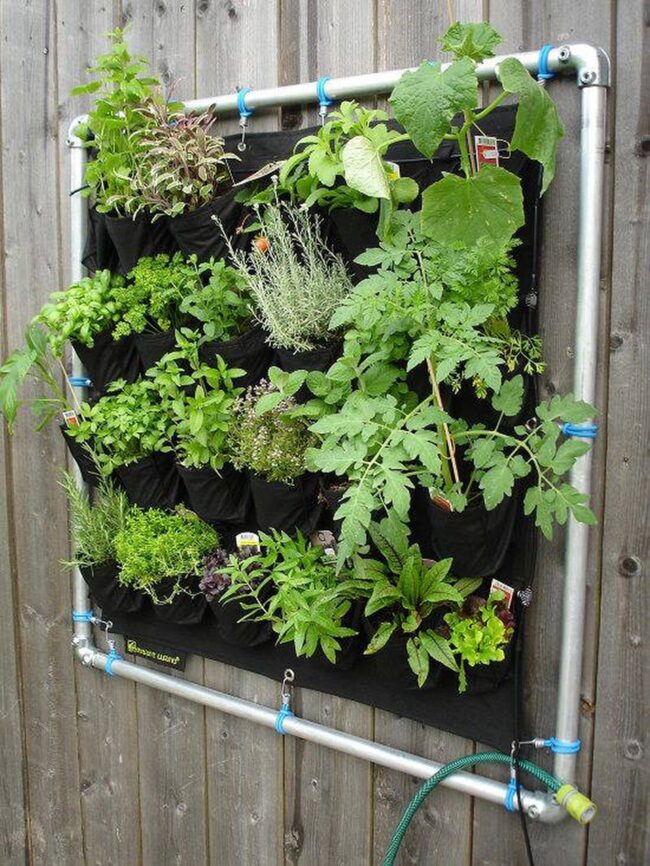
Hanging shoe organizer gardens magically maximize small outdoor and indoor spaces for growing fresh herbs and vegetables with minimal effort.
These clever vertical garden solutions transform ordinary fabric shoe organizers into productive plant nurseries by creating individual pockets perfect for soil and seedlings.
Each pocket provides drainage holes and enough room for shallow-rooted plants like basil, mint, lettuce, and small pepper varieties.
Compact gardening techniques enable people with limited ground space to enjoy homegrown produce without traditional garden plots.
Fabric shoe organizers cost very little and require simple modifications like adding drainage and selecting appropriate potting soil.
Plastic-lined pockets prevent water damage while supporting healthy plant growth.
Small-scale urban gardeners can quickly establish thriving edible gardens using this innovative recycling method.
Herb Haven Tower
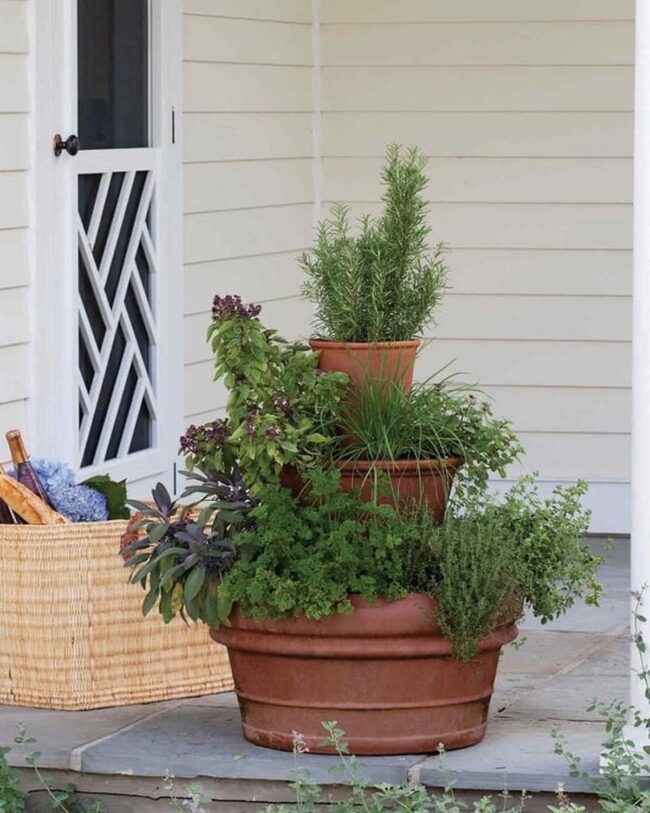
Vertical herb tower maximizes limited garden spaces by stacking multiple pots vertically, allowing gardeners to grow numerous herbs in a compact design.
Small containers nest cleverly on top of each other, creating an efficient vertical growing system for basil, mint, thyme, and other culinary herbs.
Urban dwellers with small balconies or tiny patios can enjoy fresh herbs without needing extensive ground space.
Plastic or terra cotta pots work perfectly for this project, with drainage holes essential for healthy plant growth.
Lightweight materials make moving and rearranging the tower simple for optimal sunlight exposure.
Drainage and proper soil mixture ensure herbs thrive in this innovative vertical arrangement.
Mounting the tower near kitchen windows provides convenient access to fresh herbs for cooking.
Pocket Garden Veggie Haven
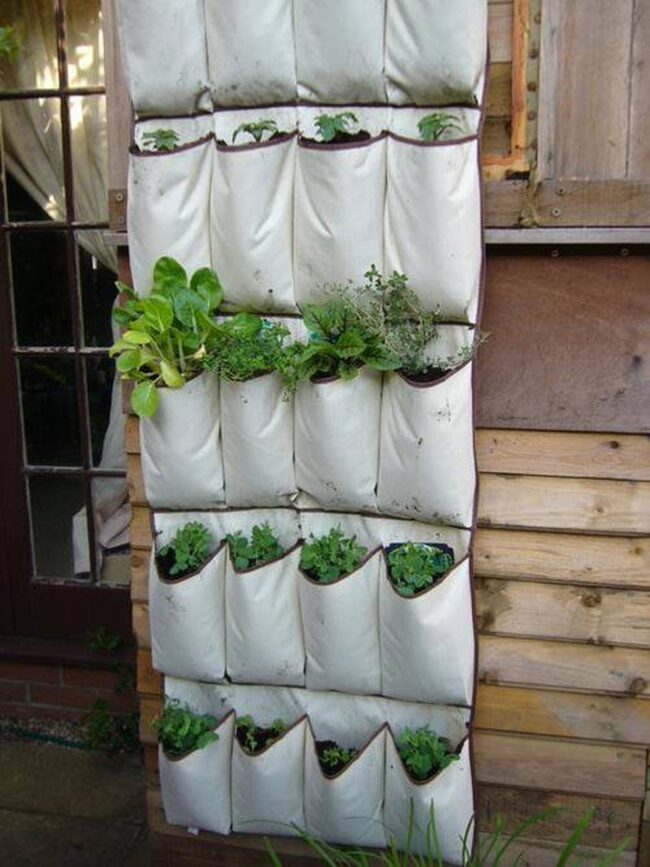
Vegetable bag gardens maximize small spaces with clever vertical growing techniques using hanging pocket shoe organizers.
Sturdy fabric pockets provide individual planting zones for each vegetable or herb variety, allowing urban dwellers to grow fresh produce without traditional garden plots.
Utensil hooks make installation simple and secure, ensuring the organizer stays firmly in place during growth cycles.
Lightweight materials like canvas or recycled plastics enable easy movement and repositioning based on sunlight requirements.
Multiple rows create a lush green wall packed with edible plants, transforming compact spaces into productive mini gardens.
Compact designs work perfectly for apartments, small patios, or outdoor areas with limited ground space.
Gutters Growing Green Gems
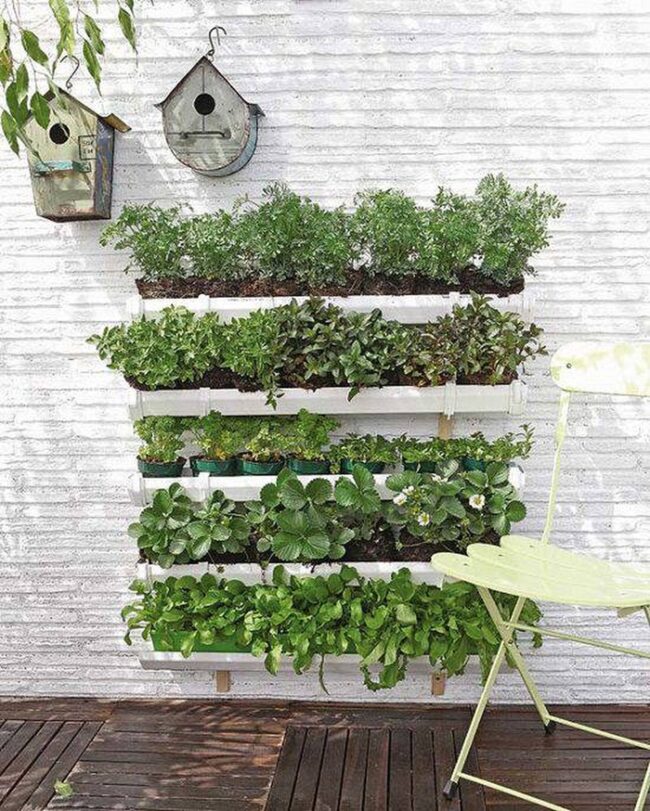
Plastic gutter vertical vegetable gardens maximize limited outdoor spaces with innovative gardening techniques.
Urban gardeners can quickly transform basic PVC gutters into productive growing areas for herbs, leafy greens, and small vegetables.
Mounting horizontal gutters securely on walls or fences creates multiple planting levels without consuming ground space.
Drainage holes and proper soil mixture ensure healthy plant growth in these compact growing systems.
Small drill holes allow excess water to escape, preventing root rot and maintaining optimal moisture levels.
Lightweight materials make installation simple for anyone with basic tools and minimal construction skills.
Affordable and easy to customize, these vertical gardens help people grow fresh produce in apartments, balconies, and small yards.
Passionate home gardeners can design personalized arrangements using different gutter lengths and configurations to suit their specific spaces.
Patio Salad Garden Tower
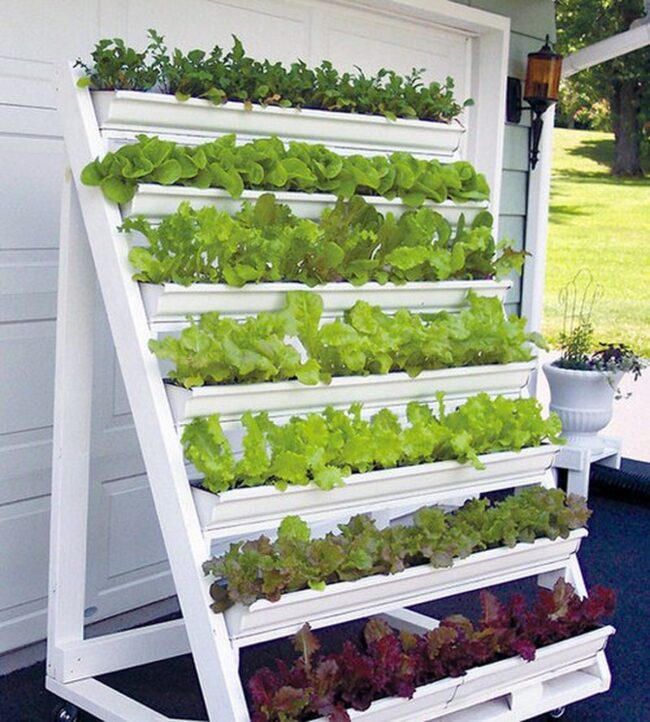
Vertical garden greens maximize small spaces with ingenious design for year-round vegetable production.
Compact tiered planters allow urban dwellers to grow fresh salad ingredients right on patios or balconies.
Strategic placement ensures herbs and leafy vegetables receive optimal sunlight throughout seasonal changes.
Lightweight construction enables easy movement and repositioning according to plant needs.
Simple DIY techniques make assembling these gardens accessible for beginners and experienced plant lovers.
Homegrown greens provide fresh, nutritious produce just steps from your kitchen.
Cedar Wall Garden
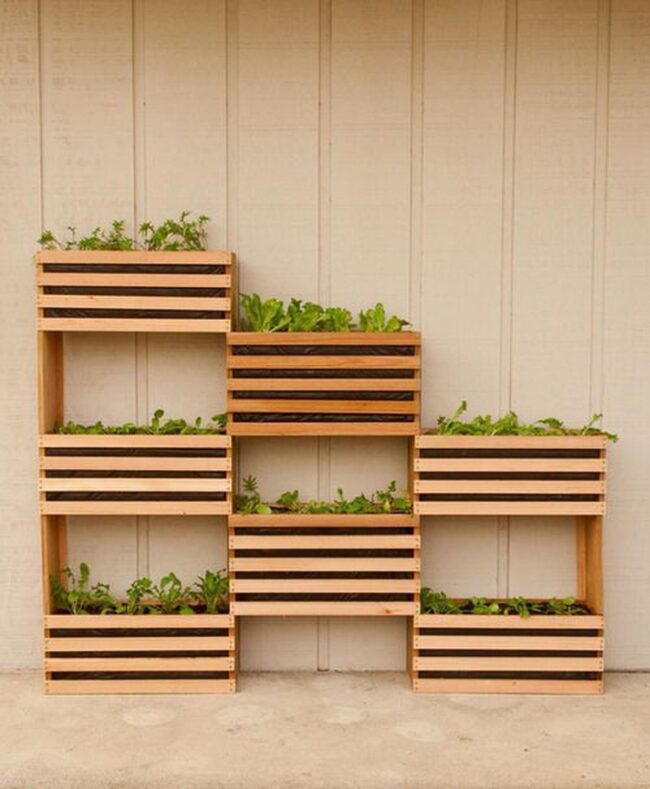
Modern vertical vegetable gardens maximize small urban spaces with elegant cedar wood structures mounted on sunny walls.
Compact wooden planks create multiple growing levels for herbs, leafy greens, and compact vegetables.
Cedar naturally resists moisture and decay, providing a durable frame for healthy plant growth.
Simple construction involves securing wooden boards at graduated heights, allowing each tier to receive adequate sunlight and air circulation.
Strategic planting enables you to grow substantial produce without traditional garden plots.
Mounting near kitchen windows keeps fresh ingredients within easy reach for cooking.
Sustainable gardening methods like these help urban dwellers reconnect with fresh, homegrown food while beautifying living spaces.
Compact Potato Vertical Haven
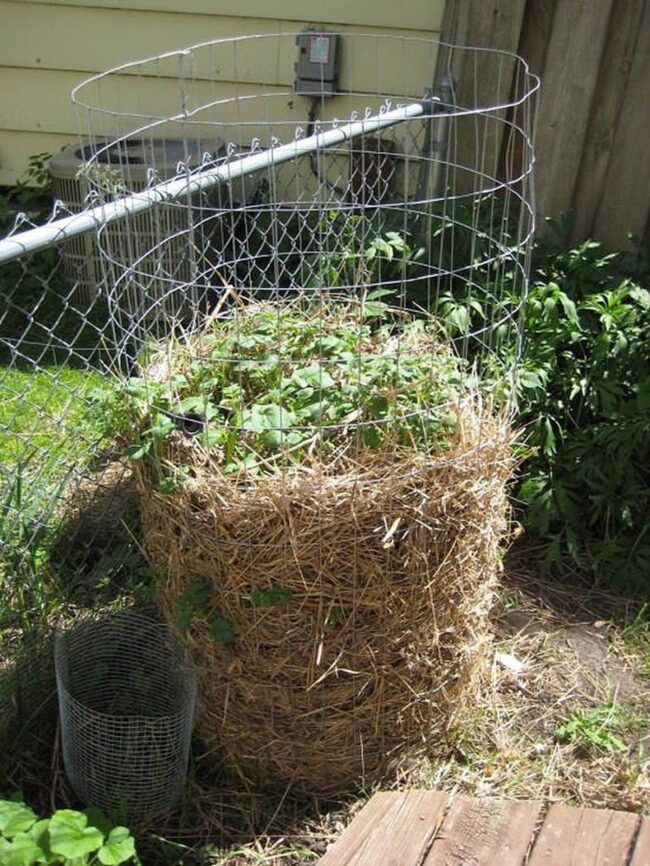
Potato towers maximize vegetable production in compact urban spaces through ingenious vertical gardening techniques.
Stacked containers allow potatoes to develop multiple harvest layers within a small footprint, drastically increasing yield potential compared to traditional ground planting.
Clever design enables continuous soil adding as plants grow, encouraging more potato development throughout the container's height.
Home gardeners can construct these towers using recycled materials like wooden pallets, wire mesh, or sturdy plastic containers.
Drainage holes and rich organic compost ensure healthy potato growth in these vertical systems.
Potato lovers can expect significant harvests from these space-efficient vertical growing methods.
Strategic placement near sunny garden areas maximizes potato tower productivity for urban and small-space gardeners.
Green Onion Tower
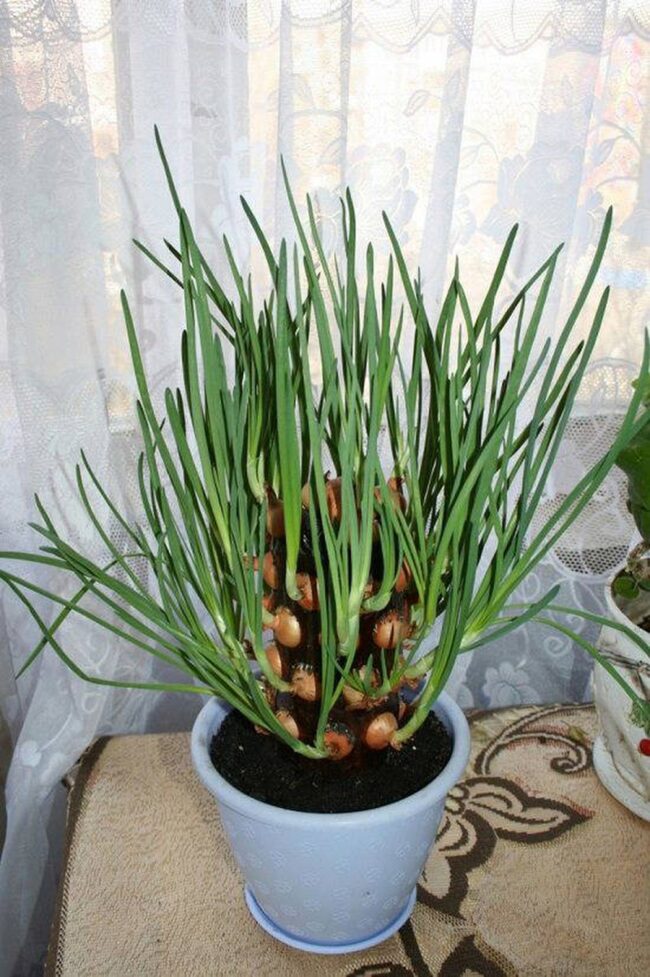
Vertical green planters revolutionize small-space gardening by maximizing limited areas for growing fresh produce.
These innovative containers transform ordinary plastic bottles into compact vegetable gardens perfect for urban dwellers.
Plastic bottles become clever vertical growing systems that allow continuous green onion harvests in minimal space.
Strategically positioned drainage holes and nutrient-rich soil ensure healthy plant growth from bottom to top.
Home gardeners appreciate how these vertical planters save ground space while providing consistent access to fresh herbs and vegetables.
Compact vertical gardens prove anyone can grow fresh ingredients regardless of living situation or available outdoor space.
Compact Potato Tower Garden
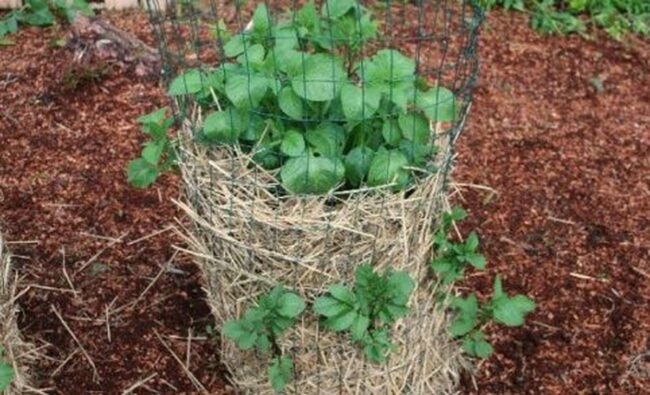
Bin potato planting maximizes garden productivity by growing potatoes vertically in compact containers.
Simple plastic or wooden bins work perfectly for this method, allowing potatoes to develop multiple layers of tubers.
Drainage holes prevent waterlogging and ensure healthy root growth.
Seed potatoes get planted in layers of nutrient-rich soil, with each new layer encouraging more potato production.
Harvesting becomes easier since you can simply tip the bin and collect potatoes without extensive digging.
Small spaces like balconies, patios, or urban gardens become potential potato farms with this innovative growing technique.
Hanging Gutter Green Harvest
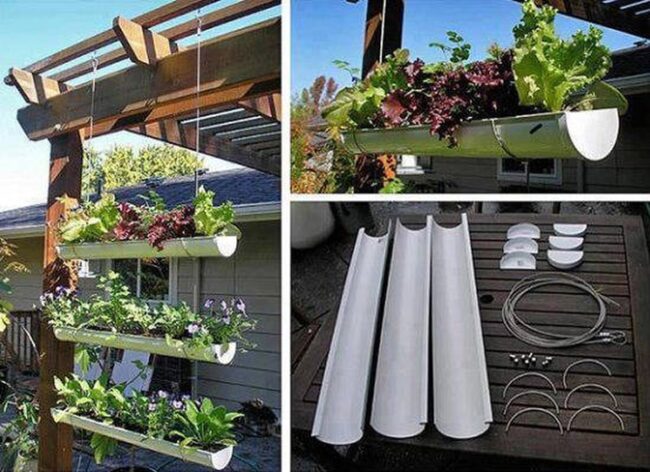
Hanging vegetable gutter gardens maximize small spaces by turning vertical surfaces into productive growing areas.
Metal or plastic gutters work perfectly when mounted securely on walls, fences, or balcony railings.
Drainage holes drilled in the bottom prevent water accumulation and root rot.
Strong mounting brackets ensure stable installation and prevent sagging under plant weight.
Lightweight growing mediums like potting soil mixed with perlite help keep the system manageable.
Compact vegetable varieties such as lettuce, spinach, radishes, and green onions thrive beautifully in these suspended garden systems.
Urban dwellers and apartment residents can enjoy fresh homegrown produce without requiring extensive ground space by implementing this ingenious gardening solution.
Rustic Ladder Garden Harvest
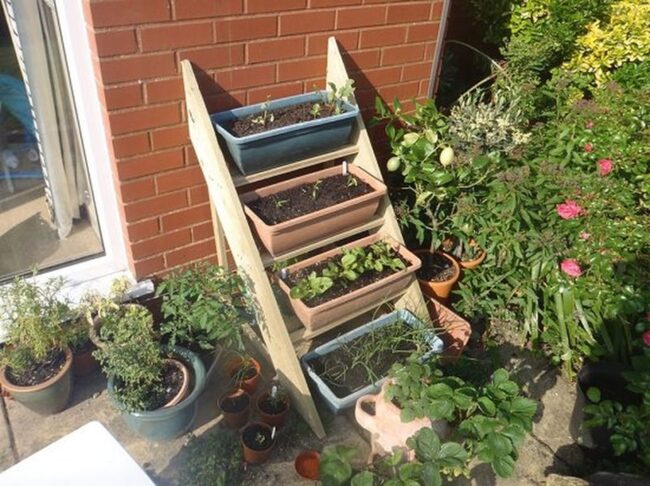
Ladder planters maximize small garden spaces by transforming old wooden ladders into vertical vegetable growing systems.
Strategic placement allows vegetables like herbs, lettuce, and compact tomatoes to flourish in limited areas.
Wood ladders provide sturdy, angled shelving perfect for containers or directly mounted planting trays.
Mounting brackets secure ladder sections safely to walls or fences for stable growing environments.
Metal or wooden ladders work equally well for creating these innovative vertical garden solutions.
Strategic positioning near sunny walls ensures vegetables receive optimal sunlight for healthy growth.
Green Walls of Produce
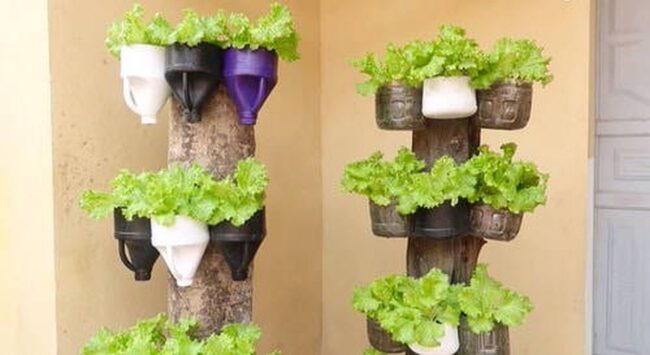
Vertical vegetable gardens maximize limited garden spaces by growing edible plants upward instead of outward.
Recycled plastic bottles become ingenious planting containers for herbs, greens, and small vegetables.
Strategic hole cutting allows roots to spread and plants to grow securely within each bottle's unique environment.
Drainage holes prevent water accumulation and promote healthy plant growth.
Sustainable design enables urban dwellers and small-space gardeners to produce fresh produce without expansive ground plots.
Mounting bottles at different angles increases visual interest and potential growing areas.
Strategic positioning near sunlight ensures optimal plant development and bountiful harvests.
Colorful Crate Garden Wall
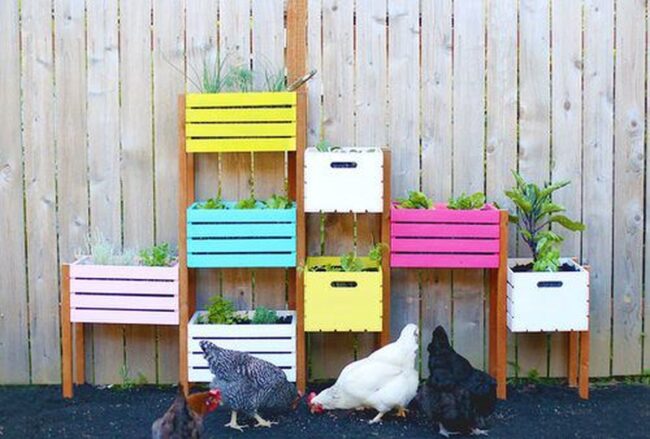
Rainbow vertical gardens spark joy with colorful wooden crates stacked creatively to maximize gardening space.
Simple spray painting techniques turn ordinary lumber into eye-catching garden displays that grow fresh produce vertically.
Compact arrangements work perfectly for small patios, balconies, or urban spaces with limited ground area.
Strategic placement allows vegetables and herbs to thrive in a stunning gradient of colors from red to violet.
Wooden crates provide sturdy mounting points for securing plants at different angles and heights.
Home gardeners can personalize their vertical gardens by selecting paint colors and plant varieties that reflect individual style and growing conditions.
Lettuce Tower Garden
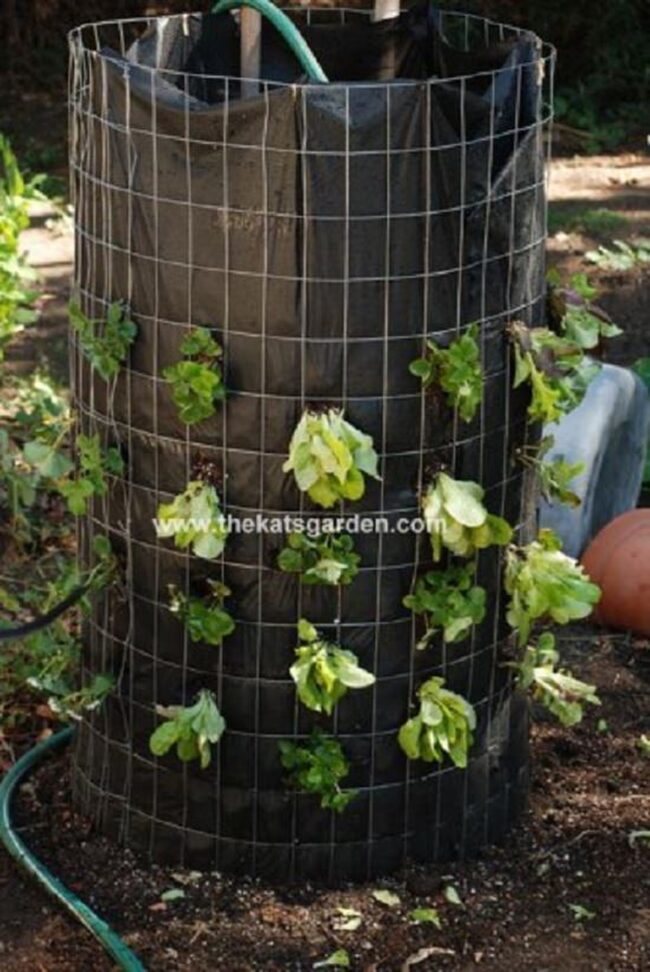
Vertical lettuce planters maximize small garden spaces by growing leafy greens upward instead of spreading horizontally.
Homemade towers use recycled materials like plastic pipes, wooden pallets, or hanging fabric pouches to support plant growth.
Lettuce thrives in these vertical systems, receiving equal sunlight and drainage across different levels.
Strategic planting allows multiple lettuce varieties to grow simultaneously without competing for ground space.
Smart design ensures consistent moisture and prevents soil-borne diseases through elevated positioning.
Urban dwellers and balcony gardeners especially benefit from these space-efficient growing methods.
Vertical lettuce planters transform small spaces into productive mini-gardens with minimal effort and investment.
Vertical Veggie Space Saver
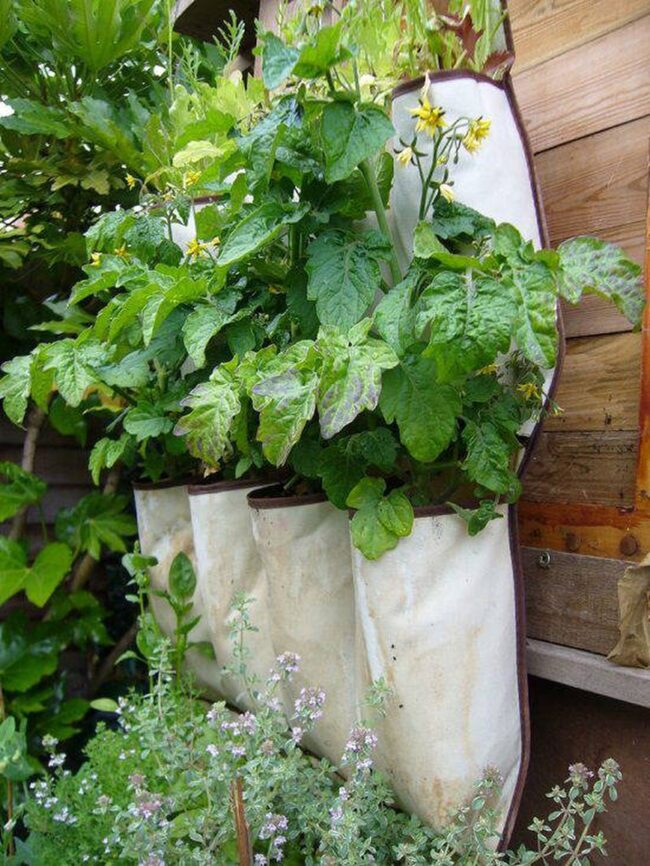
Vertical vegetable gardens maximize limited garden spaces by growing edible plants on walls, fences, or hanging structures.
Pocket shoe organizers provide an ingenious solution for small-space gardening, allowing vegetables to thrive vertically without traditional ground plots.
Drainage holes punched in each pocket ensure proper water circulation for herbs, leafy greens, and small vegetable varieties.
Lightweight potting soil mixed with compost fills each pocket, providing nutrients for healthy plant growth.
Vegetables like lettuce, spinach, radishes, and compact pepper plants adapt perfectly to these vertical garden systems.
Hanging pocket gardens protect delicate crops from ground-dwelling pests and provide convenient harvesting at eye level.
Simple DIY techniques transform ordinary shoe organizers into productive vegetable growing spaces with minimal effort and investment.
Pallet Gardens: Green Vertical Magic
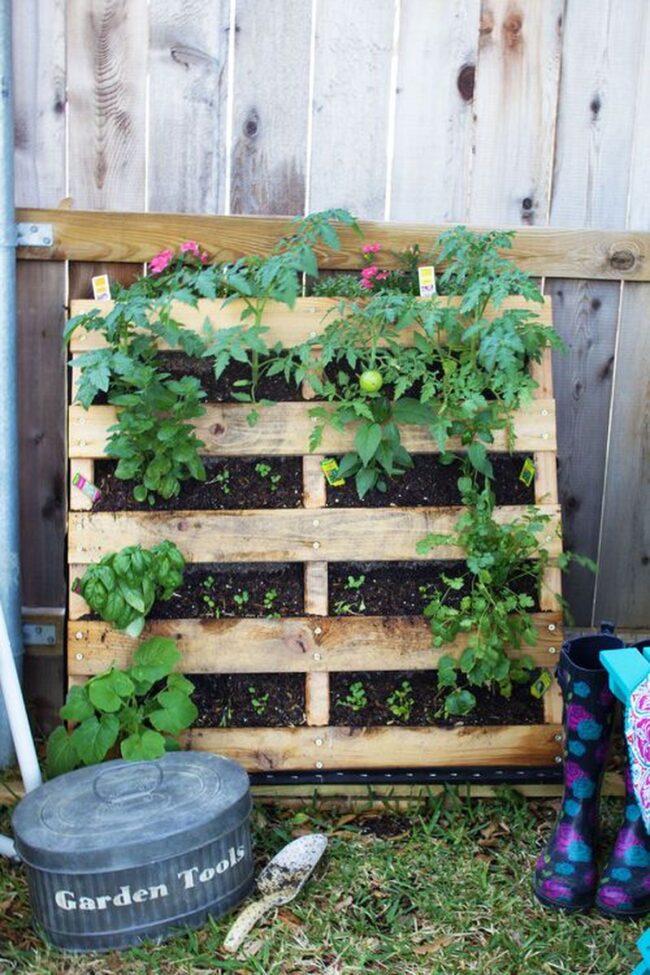
Pallet vertical vegetable gardens maximize small outdoor spaces with innovative gardening solutions.
Wood pallets provide sturdy, affordable frameworks for growing multiple plants in compact areas.
Repurposing wooden pallets reduces waste while generating fresh produce in limited spaces like balconies, patios, or small yards.
Strategic positioning against walls or fences helps plants receive optimal sunlight and protection from harsh weather conditions.
Mounting the pallet horizontally or vertically allows flexible design options for different garden layouts.
Drainage holes and proper soil selection ensure healthy plant growth throughout the growing season.
Home gardeners can quickly transform unused wooden pallets into productive, space-efficient vegetable gardens with minimal investment and effort.
Space-Saving Tomato Tower
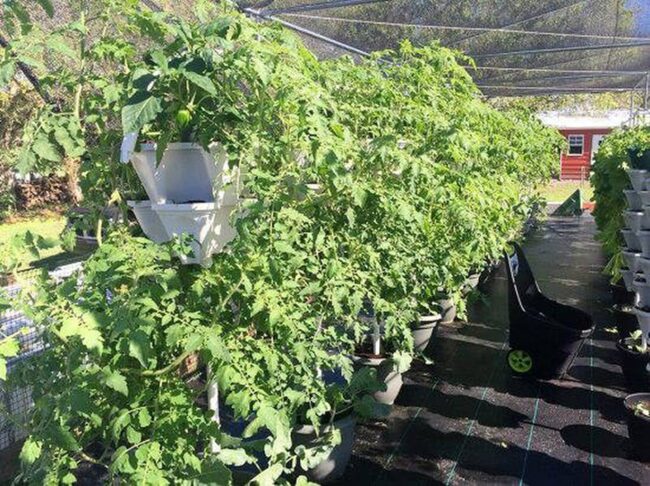
Hydroponic vertical tomatoes maximize garden productivity by growing multiple plants in compact vertical structures.
Specialized towers enable gardeners to cultivate abundant tomato crops without traditional soil requirements.
Water-based nutrient systems support plant growth through carefully controlled liquid environments.
Vertical hydroponic methods eliminate ground space constraints while providing optimal nutrition for tomato plants.
Temperature and light management help ensure consistent tomato production throughout growing seasons.
Precise nutrient delivery supports healthier plant development compared to conventional gardening techniques.
Green Space Savers
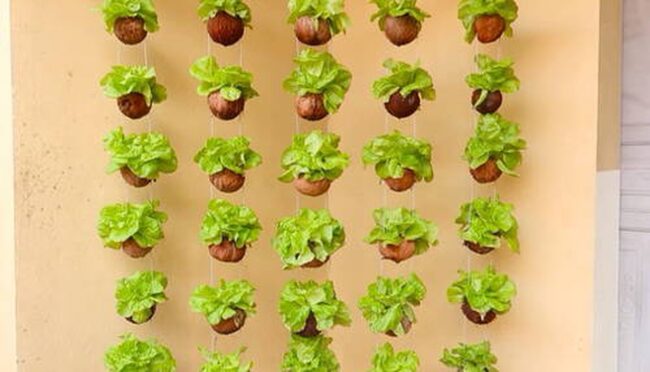
Hanging vegetable gardens maximize limited garden space by suspending edible plants in elevated containers.
Simple materials like wooden pallets, recycled plastic bottles, or metal pipe frames work perfectly for creating these innovative garden solutions.
Lightweight potting soil and strategic drainage holes ensure plants receive proper nutrients and water circulation.
Strategic placement near sunny windows or balconies helps vegetables thrive without traditional ground plots.
Compact hanging designs reduce pest risks and make harvesting incredibly convenient for urban dwellers and small-space gardeners.
Affordable DIY techniques enable people to transform unused vertical spaces into productive mini gardens.
Lightweight, portable setups allow gardeners to experiment with different plant combinations and relocate gardens easily.
Stacked Garden Veggie Tower
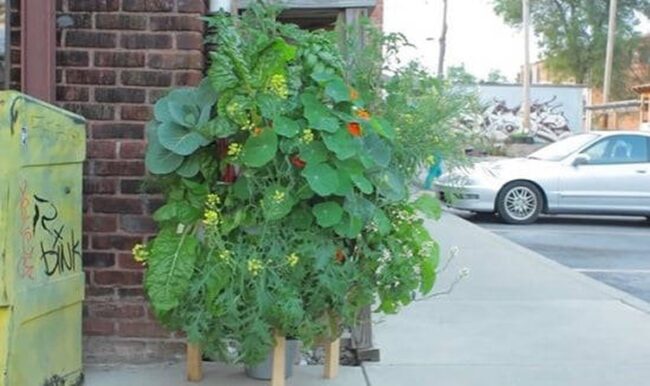
Vegetable planting towers maximize small garden spaces by stacking multiple growing levels in compact vertical configurations.
Urban gardeners can produce significant vegetable yields without requiring large horizontal areas.
These innovative gardening structures help you grow herbs, leafy greens, and compact vegetables efficiently.
Vertical towers enable precise soil management and excellent drainage for healthier plant development.
Stacked containers or PVC pipe designs create stunning vertical growing systems that work perfectly for balconies, patios, and tight outdoor spaces.
Multiple tier arrangements allow strategic plant placement based on sunlight requirements and root depth needs.
Plastic, wood, or metal materials provide durable construction options for building personalized vegetable towers.
Strategic planting techniques ensure maximum crop production in minimal square footage while transforming limited spaces into productive garden environments.
Wooden Herb Garden Ladder
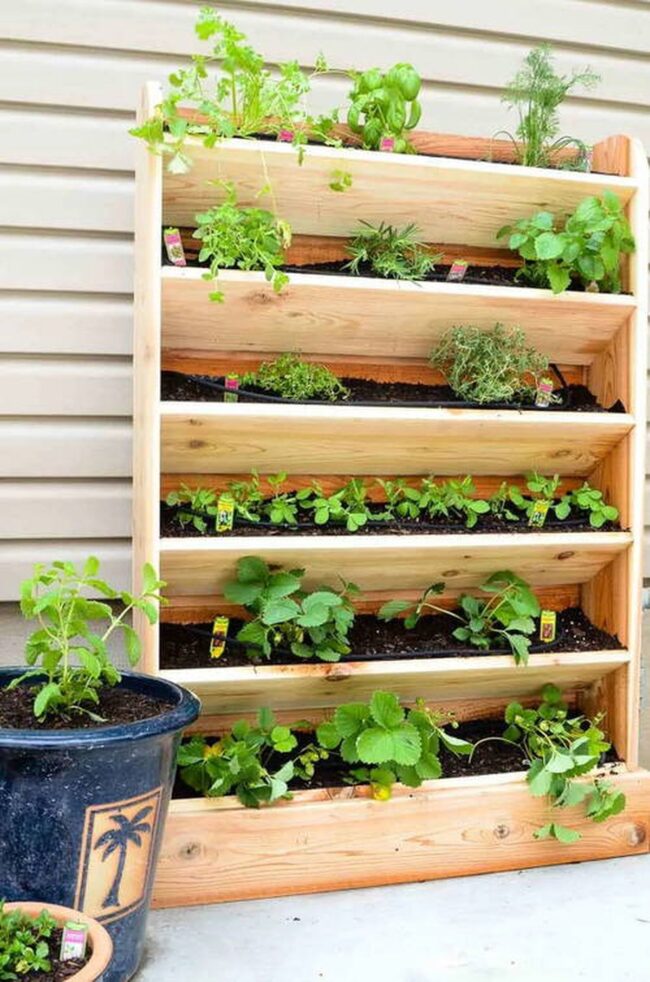
Vertical garden with drip watering system maximizes garden potential in compact spaces.
Urban gardeners can grow fresh herbs and vegetables without traditional ground plots.
Wooden stands provide sturdy support for multiple plant levels.
Integrated drip irrigation ensures consistent moisture for each plant section.
Self-watering mechanisms eliminate daily watering challenges and reduce maintenance time.
Small balconies, patios, and kitchen areas transform into productive green spaces.
Herbs like basil, thyme, and mint thrive in these vertical configurations.